


Hook: Have you ever wondered why some church messages stick in your memory, while others fade away before the week’s end? The secret might just be the power of infographics aesthetics—a visual spark that keeps your congregation engaged, inspired, and talking long after the Sunday service.
What You'll Learn About Infographics Aesthetics for the UK Church Leaders Market
- How infographics aesthetics enhance engagement within the church context
- Types of infographic designs—statistical, process, timeline, and comparison—for church leaders
- Best practices for data visualization in ministry communications
- Actionable tips for integrating infographics into content marketing strategies

Why Infographics Aesthetics Matter for UK Church Leaders
“Visual storytelling is no longer optional for church communication—it’s essential to connect in today’s digital landscape.” – Ken Johnstone, Executive Editor, DYLBO Digital Media
The Power of Infographic Design in Religious Communication
Infographics have emerged as one of the most vital tools for church leaders aiming to make their messages resonate. Infographic design transforms sermons, annual reports, and outreach campaigns into visually captivating stories. By turning key statistics, complex information, and biblical principles into graphics, leaders can add depth to their communication and ensure ideas are easily digestible. In today’s attention economy, a compelling infographic example often speaks louder than several paragraphs of text, especially for those who find numbers or abstract concepts challenging. This visual element helps churches go beyond words, connecting heart and mind while fostering both understanding and recall.
Importantly, church audiences often include members of all ages and backgrounds. By deploying graphics that are easy to understand and visually striking, churches ensure their messages reach everyone—making faith more accessible and conversation more lively. Thoughtful infographic design is now a cornerstone of impactful ministry, bridging generational gaps and making every data point memorable for both seasoned congregants and visitors alike.
For church leaders interested in practical ways to simplify complex information for their congregations, exploring the benefits of list infographic formats can be especially helpful. These formats break down intricate topics into clear, actionable steps, as discussed in the section on list and comparison infographics for decision-making within this article.
Infographics Aesthetics and Audience Engagement
Church leaders aiming to foster deeper community involvement often find infographics act as a catalyst for engagement. The visual richness of well-designed infographics aesthetics captures attention in an age where scrolling and skimming are the norm. Church bulletins, event announcements, and social posts are instantly elevated with the addition of graphic elements: charts, icons, and vibrant colour schemes all work together to pique curiosity and boost interaction.
Today’s digital audience not only expects but responds to interactive and visually appealing media. Infographics allow for hierarchical information flow, ensuring that the most important points are seen and absorbed first—a valuable technique when tackling complex topics like biblical genealogy or church growth. The clarity and structure offered by thoughtful infographic aesthetics leave little room for misunderstanding, helping leaders serve up vital messages in a form that encourages both learning and discussion.
Current Trends in Data Visualization for Faith-Based Content
The landscape of data visualization in ministry is evolving rapidly. Churches are moving beyond simple bar graphs and pie charts, embracing creative strategies like art infographic posters, interactive timelines, and animated graphics. This trend leverages modern design principles and technology to create infographics that feel both fresh and relevant, inviting engagement at every touchpoint—from printed newsletters to mobile-first digital campaigns.
Recent research findings reveal that churches that integrate new data visualization tools see a measurable uptick in both engagement metrics and message recall. Leaders often use infographics to untangle complex process explanations (e. g. , church volunteer workflows or stewardship journeys), making it easy for the congregation to follow along. Creative visual storytelling, with curated colour palettes that reflect church branding, now sets leading ministries apart in a crowded digital landscape.
Core Elements of Effective Infographics Aesthetics
Design Principles for Successful Infographic Design
Effective infographic design rests on a combination of balance, clarity, and alignment with mission. Every graphic element should drive home a key point, supporting the overall message rather than overshadowing it. It’s vital to use visual hierarchy—employing size, colour scheme, and placement—to guide the viewer’s eye to the most important details. Consistent spacing and alignment create a cohesive feel, making the visual element easy on the eyes and encouraging extended engagement.
Ministries designing their next project should start by clearly defining the outcome they hope to achieve with their infographic example. Is it education, inspiration, or a call to action? Each aim requires a slightly different approach, from the data visualizations used to the graphic elements and colour palette chosen. Simplicity remains key—especially with biblical content—ensuring parishioners focus on the heart of the message, supported by easy-to-understand data points.

Colour, Typography, and Branding in Infographics Aesthetics
Using the right colour scheme and typography is more than an aesthetic choice; it’s a strategic tool in building recognition and trust with your church community. Infographics should reflect established church branding—through consistent use of logo, colour palette, and font families—so each graphic element feels familiar and unified with other materials. Warm neutrals, inviting blues, or joyful golds, for instance, can add depth and emotional resonance that resonates deeply with faith-based audiences.
Typography should be clear, readable, and varied in size according to informational hierarchy. Key points or scripture quotes deserve emphasis with larger, bold type. Finally, subtle branding elements—like a watermark or corner logo—tie everything together, ensuring members know at a glance this visual belongs to their spiritual home. These design choices work seamlessly together, creating a cohesive and meaningful visual language for your congregation.
Visual Consistency Across Church Communications
Visual consistency ensures every infographic, from the poster on the noticeboard to the social media post, works together to reinforce your church’s identity. This means matching colour palettes, font styles, and iconography so materials look intentionally designed, making it easy to understand and instantly recognisable as part of your ministry’s communication suite.
Consistent design is especially important as church messages are distributed across platforms—print, web, and presentations. By deploying similar visual elements (like recurring icons or a branded data point style), leaders help build trust and reduce confusion. This also promotes a sense of unity, as both leaders and congregants can quickly assimilate information regardless of the medium. In the world of content marketing for faith-based organisations, maintaining this visual coherence is essential for credibility and professionalism.
Data Visualization Techniques for UK Church Leaders
UK church leaders have at their fingertips a variety of data visualization techniques. Statistical infographics are perfect for presenting attendance numbers, donation trends, or outreach results; timeline infographics excel at illustrating ministry history or biblical stories. Hierarchical and comparison infographics make it simple to weigh options or showcase growth, while process infographics break down complex church workflows into step-by-step clarity.
Choosing the right data visualization technique depends on the goal of your communication. For example, a process infographic can deconstruct complex tasks (such as onboarding new volunteers), while art infographics highlight biblical principles in a visually rich format. The key is to select graphic elements that make information easily digestible and memorable for all age groups, increasing the likelihood of genuine engagement and discussion among congregants.
Interactive Infographic Elements to Enhance Engagement
Interactive infographics take engagement one step further, transforming passive viewers into active participants. Features such as clickable charts, expandable scripture passages, or animated timelines keep audiences hooked and encourage deeper exploration of faith-based content. Adding interactive elements—like a quiz at the end of a data visualization or animated transitions in a timeline infographic—caters to digital-first audiences, especially younger church members and families.
Church leaders should consider interactive infographics for teaching series, virtual Bible studies, or stewardship campaigns. Not only do these designs spark curiosity and dialogue, but they offer valuable feedback through engagement metrics, showing which key points resonated most. As digital communication becomes the norm, interactive infographic design is an investment that pays off in greater connection and understanding within the church community.
Types of Infographics for Church Leaders: Exploring Infographics Aesthetics
Statistical Infographic Design for Presenting Church Data
Presenting church data in a clear and impactful way is no small feat—statistical infographics make it possible. With smart infographic design, annual giving numbers, event attendance, or survey results stop being dry figures and instead become memorable stories. A bar chart can compare growth across years, pie charts can show ministry budget allocation, and data points become instantly accessible—making it easy for both staff and the congregation to see progress and opportunities at a glance.
Statistical infographics should use a consistent colour palette and iconography to avoid confusion. Every element, from legend to headline, should focus on clarity, helping leaders showcase key statistics while avoiding information overload. This is especially useful in annual reports or stewardship communications, where conveying transparency and stewardship is paramount.
Process Infographic Design for Ministry Systems
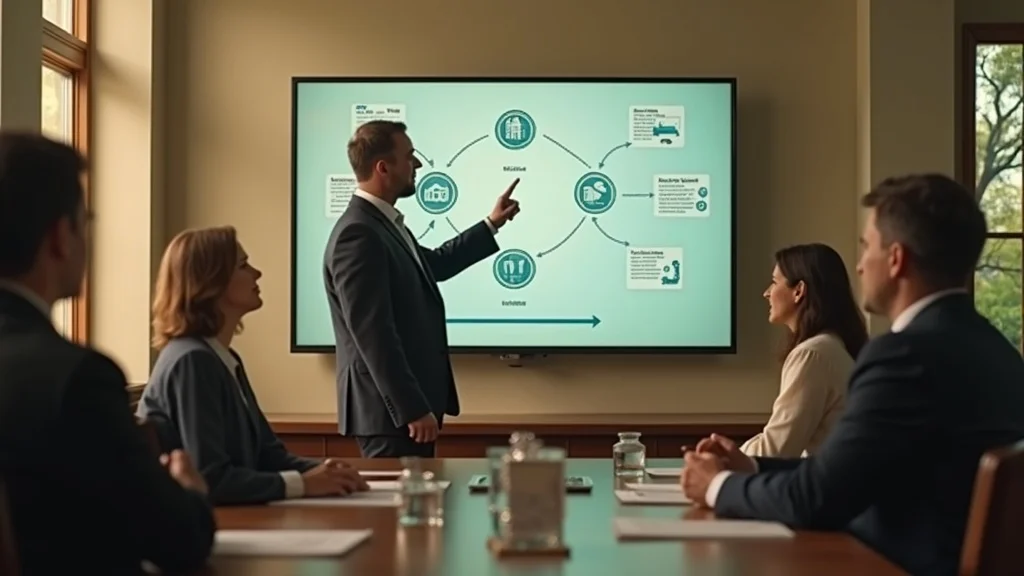
Complex ministry workflows—such as volunteer onboarding or pastoral care processes—are made much simpler with a well-crafted process infographic. Instead of lengthy text explanations, church leaders can break a complex process down into manageable steps, each accompanied by a graphic element or icon. Visual cues like arrows, coloured boxes, and numbered stages guide viewers, ensuring no step is missed along the journey.
These infographics often use a horizontal or vertical flow, and are especially effective when tackling complex topics or workflows that might otherwise be overwhelming. By simplifying complexity into visually engaging steps, process infographic design helps teams collaborate better and congregants engage more confidently with church initiatives.
Timeline Infographic Approaches in Storytelling
Timeline infographics are a powerful tool for telling stories—whether it’s retracing the history of a local congregation or outlining a sequence of events in the Gospels. By placing events or milestones along a well-structured timeline, church leaders can weave narratives that are visually impactful and easy to understand. Each event or data point uses a graphic marker to guide the eye and add depth to the story, making it much more engaging for all ages.
Churches often use timeline infographics to celebrate anniversaries, highlight spiritual growth, or communicate key moments in calendar-based ministry work. By combining dates, icons, and succinct text, timeline infographics transform potentially dry chronology into memorable and meaningful storytelling that sticks.
List and Comparison Infographics for Decision-Making
List and comparison infographics shine when churches need to simplify complex information for decision-making or educational purposes. A list infographic can illustrate the steps for joining a ministry team, key biblical themes, or discipleship paths—making it easy for viewers to tick off items or reference them later. Comparison infographics, on the other hand, are ideal for weighing church event options, comparing ministry programs, or even helping church boards make data-informed choices.
By laying out content side by side using uniform graphic elements and a harmonious colour scheme, comparison infographics help decision-makers spot key differences or similarities at a glance. Such visual aids empower church leaders and congregants alike to engage confidently with ministry options or community opportunities.
Art Infographic and Infographic Poster Applications in Church Branding
An art infographic or infographic poster can become a centrepiece for church branding, blending faith symbolism with polished design to reinforce ministry values. These visual tools take inspiration from both fine art and modern design, employing vibrant colours, abstract shapes, and sacred motifs to foster inspiration and unity. Placed on a foyer noticeboard or shared digitally, these infographics make visitors feel welcomed and highlight the church’s commitment to creativity and excellence.
Infographic posters can also spotlight core values, kingdom initiatives, or upcoming events in a way that feels less like a bulletin and more like a work of art—making it easy to draw in both regulars and newcomers. When art infographics are paired with a church’s unique identity elements, each poster not only communicates information but also helps build long-lasting recognition and connection within the wider community.

Incorporating Infographics Aesthetics into Content Marketing
Driving Engagement with Infographic Design on Social Media
Social media has transformed the way churches connect with both members and seekers—infographic design is the key to standing out in crowded feeds. A single well-crafted post can carry a week’s worth of ministry impact, especially when packed with eye-catching graphic elements and clear, relatable messaging. Infographics easily summarize sermon points, offer bible study highlights, or promote community events, all in a format that’s inviting and easily shareable.
Churches can dramatically drive engagement by aligning their colour scheme across posts, ensuring visual consistency that builds brand recognition. Social platforms also allow for interactive infographic experiences: swipe-through carousels, clickable stories, or short infographic videos give congregants more opportunities to connect, comment, and share—making it easy for faith to spread online.

Building Trust and Credibility with Data Visualization
- Highlight biblical living principles with art infographics
- Share sermon summaries with process infographics
- Promote events via infographic posters
- Educate congregations using hierarchical infotext
Building trust is foundational in ministry, and transparency is its close companion. By using data visualization—translating complex topics like budgets, participation trends, or program outcomes into visually digestible infographics—church leaders demonstrate openness and care. Members feel respected when the information they need is communicated clearly and attractively, whether in annual reports or weekly newsletters.
Effective infographic design not only enhances understanding but also signals professionalism and thoughtfulness. When congregants see their leaders investing in clear, creative communication, they’re more likely to invest their time and energy in ministry, driving participation and trust to new heights.
Table: Comparison of Infographic Types for UK Church Leaders
| Infographic Type | Uses in Church | Strengths | Potential Applications |
|---|---|---|---|
| Statistical Infographic | Reporting growth, donations, attendance | Clear data visualization, easy comparison | Annual reports, stewardship updates |
| Process Infographic | Outlining steps or systems | Clarifies complex process, easy-to-follow | Volunteer onboarding, ministry workflows |
| Timeline Infographic | Storytelling chronological events | Visual narrative, historical overview | Church history, Bible timeline, event recaps |
| Comparison Infographic | Weighing options, highlighting differences | Side-by-side clarity, decision support | Ministry choices, programme comparisons |
| Art Infographic/Posters | Branding, inspiration, sharing values | Highly visual, emotional connection | Noticeboards, social media, foyer decor |
| Interactive Infographic | Education, digital engagement | Engagement, user feedback, memorable | Bible studies, stewardship campaigns, youth ministry |
A short explainer video showing before-and-after case studies of church communication, focusing on the visual transformation using infographic design and resulting engagement improvements. Includes animated transitions between bland and visually appealing infographic content, with voiceover summarizing key benefits for UK church leaders.
Key Points from the Video
- Visual impact of infographics in religious education
- Case studies: Increased engagement metrics
- Step-by-step guide to simple infographic design for churches
People Also Ask: Infographics Aesthetics in Church Content
How can church leaders use infographics in sermons?
Church leaders can use infographics in sermons to visually outline scripture passages, highlight important themes, or summarise key points. Incorporating infographics aesthetics on projection screens or printed handouts ensures the congregation has an easy-to-understand reference throughout the message. This combination of spoken word and visual element reinforces learning and helps members connect with the content on a deeper level, making it memorable and actionable.
What makes effective infographic design for religious audiences?
Effective infographic design for religious audiences hinges on clarity, relevance, and respectful visual storytelling. Key components include a harmonious colour palette aligned with church branding, readable typography, and relatable graphic elements that support rather than distract from the message. Incorporating faith-based symbols and art infographic styles can add depth and emotional resonance, ensuring the congregation feels connected, inspired, and informed.
Are there data visualization tools tailored for the UK church sector?
Yes, several data visualization tools are popular among UK churches. While mainstream platforms like Canva and Piktochart offer broad features for infographic design, faith-based organisations often use custom templates or ministry-focused plugins that integrate biblical themes or hierarchical infographics. These solutions make it easy for church leaders to represent complex information in a familiar, engaging format suitable for all church communication needs.
What are the key components of interactive infographic design for faith-based audiences?
The key components of interactive infographic design for faith-based audiences include clickable sections, animated scripture highlights, data points with pop-out explanations, and multimedia integration (like audio or video clips). These elements encourage deeper exploration of content, allow users to navigate at their own pace, and boost engagement—especially with younger or digital-native congregants.
How can data visualization foster community engagement within churches?
Data visualization can foster community engagement by making church goals, achievements, and plans transparent and inclusive. When congregants see clear, accessible infographics showing progress, opportunities, or impact, they’re more likely to participate, offer feedback, and feel part of the church’s mission. Regular use of infographic design encourages discussion, strengthens trust, and energizes all members to be more engaged with ongoing ministry initiatives.
FAQs About Infographics Aesthetics for UK Churches
-
How does infographic design differ from traditional church visuals?
Unlike traditional visuals—such as static posters or text-heavy bulletins—infographic design integrates graphic elements, statistical data, and structured layouts for clarity and appeal. This makes complex information more engaging and easy to digest for today’s congregation. -
Which data visualization methods are most impactful for church reports?
Statistical infographics, timeline infographics, and interactive infographic designs are particularly effective for church reports, enabling visual comparison of growth, finances, or ministry outcomes in a way that connects with both staff and lay audiences. -
How can list infographic formats simplify complex information?
List infographics break down complex topics—such as spiritual gifts or discipleship steps—into manageable, easy-to-follow points. This format uses graphic elements and short text to make information quickly scannable and memorable. -
In what ways does process infographic design support ministry planning?
Process infographics visually outline step-by-step tasks or systems, clarifying roles and timelines for volunteers, leaders, or congregants. They help create a cohesive, shared understanding of tasks, supporting more efficient and collaborative ministry planning. -
What steps do church teams need to start creating effective infographics?
Start by identifying the message to communicate, choose the appropriate infographic type, gather data points, design using a consistent colour palette and branding, and test with a small audience for clarity before wider distribution.
Best Practices & Key Takeaways for Infographics Aesthetics
- Align infographic branding with church identity
- Prioritize clarity in data visualization
- Utilize interactive and hierarchical infographics for engagement
- Monitor performance and iterate infographic designs
Ready to Elevate Your Church’s Visual Impact?
Discover how enhanced infographics aesthetics can unlock new levels of engagement and understanding within your congregation—or start your design journey now with professional guidance from DYLBO Digital Media.Published by Ken Johnstone MBA BSc, Executive Editor at DYLBO digital media & Biblical Living Unlocked
Conclusion
Embracing infographics aesthetics empowers UK church leaders to communicate with clarity, creativity, and greater impact—sparking deeper engagement and connection within your congregation.
If you’re inspired to take your church’s communication to the next level, consider how visual storytelling can complement other aspects of ministry leadership. For a broader perspective on nurturing meaningful connections and making the most of your time with your community, explore insights on intentional engagement and time management from Ben Sasse. Combining effective infographics with thoughtful leadership strategies can help you foster deeper relationships and lasting impact within your congregation. Continue your journey towards more dynamic and purposeful ministry by integrating both visual and relational best practices.
Sources
- Canva – https://canva.com
- Piktochart – https://piktochart.com
- Church Marketing Ideas – https://www.churchmarketingideas.com
- DG UK – https://www.dg.uk.com/insight/infographic-design-uk
- Visual Story Network – https://www.visualstory.org/research-faith-visuals
To further deepen your understanding of infographics aesthetics and their potential within church communications, consider reviewing the resource Infographic Design UK. This page provides professional insights and practical advice tailored to creating visually compelling and effective infographics, with an emphasis on clarity and strategic messaging. Additionally, the article Research on Visuals and Faith: Key Findings delves into the impact of visuals in religious and faith-based contexts, highlighting best practices and research-backed outcomes for increasing engagement and comprehension. If you’re serious about leveraging infographics aesthetics in your church leadership, these resources will give you actionable strategies and a firmer foundation for transforming your visual communication.


Write A Comment