Add Row
Add Element
cropper
update

DYLBO Smart Marketing

for Local Business

cropper
update
Add Element
  • Home
  • Categories
    • Smart Marketing Strategy
    • Local SEO & Visibility
    • Content & Authority Building
    • Funnels & Lead Generation
    • Paid Ads & Campaigns
    • Social & Video Marketing
    • Reviews & Reputation
    • Sector Marketing Guides
    • Smart Marketing News
  • Smart Marketing Services
Add Element
  • DDM on Facebook
    update
  • DDM on X.com
    update
  • DDM Google Business Profile
    update
  • DDM on LinkedIn
    update
  • update
  • DDM on Youtube
    update
  • DDM on Instagram
    update
April 17.2026
1 Minute Read

How a Cohesive Church Branding Strategy Can Deepen Congregational Engagement

In today’s fast-evolving ministry landscape, a church branding strategy is no longer a luxury—it’s the heartbeat of gospel communication and community engagement. For UK churches navigating the shift to digital-first ministry, branding isn’t about “looking cool. ” It’s about proclaiming Christ with clarity and removing barriers for newcomers, both online and in person. Dan Nichols, Creative Director of CGD, has helped countless churches bridge tradition and innovation, crafting branding systems that invite engagement while honouring the spirit of their unique congregations.

Drawing from his years guiding churches through communication challenges, Dan shares how a well-executed branding strategy empowers even small or volunteer-run ministries to connect, reassure, and grow. Whether you’re a church communications director, ministry leader, or event planner feeling overwhelmed by change, the following insights will help you reimagine branding as mission support—clear, welcoming, and deeply rooted in your values.

Dan Nichols on Why Church Branding Strategy Goes Beyond Just Visuals

“One big misconception is that church branding is just about logos or signage – but it’s really the foundation of how we communicate the gospel clearly in a digital-first world.”
— Dan Nichols, CGD
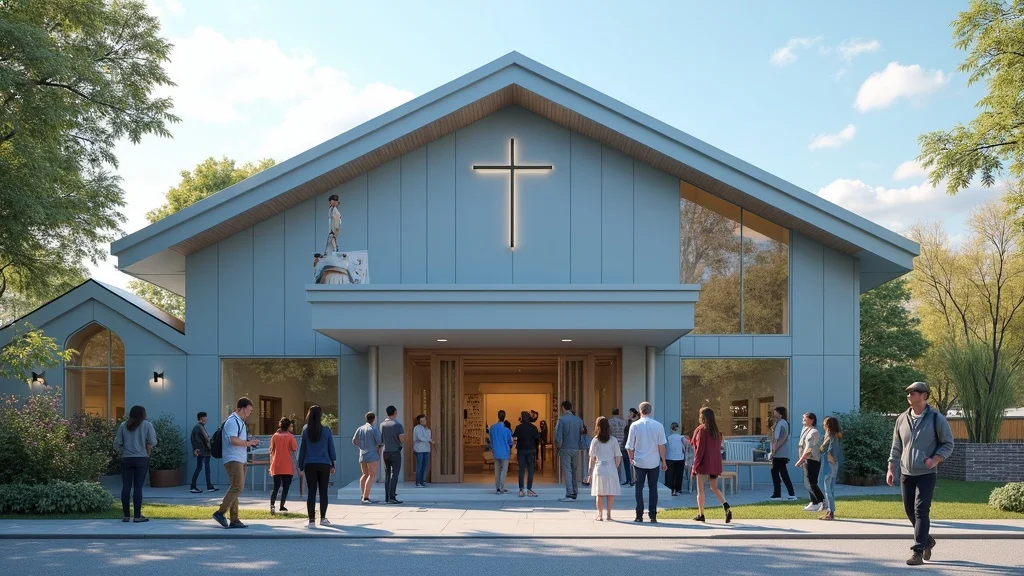
Modern church exterior with inviting branding—showcasing a welcoming UK church branding strategy in an urban spring setting

According to Dan Nichols, many church leaders undervalue the transformative potential of a thoughtful church branding strategy. Too often, branding is reduced to surface-level decisions—a logo here, some fresh signage there—without considering its deeper role as the “front door” to the church in a world where most spiritual journeys now begin online.

As Dan emphasises, branding for churches must move beyond visual consistency and become a core ministry function: “Branding should be the basis of the church’s communication of the gospel. Make sure that it’s clear in this digital age and also to the live congregation. ” This means treating design not as an afterthought, but as the common thread running through sermons, social media, events, and every single touchpoint where someone might encounter your church for the first—or hundredth—time.

Church Branding Strategy as Essential Communication for Ministry Outreach

“A strong branding strategy helps meet people where they are—whether online or in person—through compelling visual storytelling that supports faithful gospel proclamation.”
— Dan Nichols, CGD

The most memorable churches are rarely those with the most ornate logos or trendy graphics. It’s those who embrace branding as ministry support—uniting visuals, language, and tone to create a sense of home, whether someone is worshipping in a historic sanctuary or joining via livestream. Church branding strategy now shapes not just print materials, but digital campaigns, “Plan Your Visit” landing pages, and the unified aesthetic that carries congregants from a Sunday welcome desk to their first small group or youth service.

Nichols points out that for visitors and members alike, branding “should help bring the messaging through into a consistent pleasure that is easy to recognize. Builds credibility and trust, avoids confusion, doesn't get too outdated. ” In practice, this means developing flexible systems—templates, colour palettes, and graphics packs—that reflect the rhythms of the UK church calendar and give all ministry areas a shared identity rooted in your church’s mission.

For a deeper dive into the practical aspects of developing your church’s visual identity, including logo creation and brand guidelines, you may find the comprehensive guide on branding and logo design for churches especially helpful. This resource offers actionable steps and inspiration for building a brand that truly resonates with your congregation.

How Consistency in Your Church Branding Builds Trust and Facilitates Engagement

“Consistency in applying the brand—from websites and social media to events and signage—creates a unified, recognizable presence that builds credibility and avoids confusion.”
— Dan Nichols, CGD

Digital branding meeting illustrating unified UK church branding strategy—leaders review website and brand guidelines

Consistency isn’t cosmetic—it’s crucial for ministry outreach and cutting through the noise for today’s digitally savvy audience. “Branding should do is build trust because that assumes that the brand is consistently applied to the website, social media, any events, publications, whether they're online or in print, and, of course, signage and logos and so on,” Nichols shares. Every touchpoint, whether it’s a church Instagram feed or an in-person event leaflet, reinforces what your church stands for—or, if neglected, creates confusion and erodes confidence.

According to Dan Nichols, brand consistency isn’t just about memory—it’s about ministry impact. A clear, cohesive branding system removes friction for newcomers and reassures congregants that they belong. It’s an anchor in a culture of constant change, honouring both tradition and innovation. Churches that nail this consistency don’t just look inviting—they feel inviting, fostering deeper engagement and empowering teams (including volunteers) to confidently represent Christ’s message in every encounter.

Key Elements of a Cohesive Church Branding Strategy for UK Churches

Vibrant branded church graphics—showcasing a UK church branding strategy with social media, event, and signage mockups
  • Develop a unified visual system: Logo, fonts, colour palettes, and templates that work across all digital and printed materials
  • Ensure brand consistency: Apply your branding on websites, social media, event promotion, and physical signage for a seamless experience
  • Integrate seasonal campaigns: Align branded communications with the UK church calendar—Christmas, Easter, Harvest and key ministry moments
  • Design branded graphics for hybrid ministry: Connect online and in-person worship with unified broadcast visuals and livestream packages
  • Leverage design subscription packs: Use ready-to-go, editable graphics to keep your church’s look fresh without overwhelming staff or volunteers

Daniels’ methodology highlights that church branding strategy is never a one-off project, but an evolving system underpinning everything from outreach to retention. Subscription-based graphic resources, he notes, can provide timely, UK-specific assets for busy churches, preventing burnout and ensuring that every campaign—however large or small—reflects your gospel-driven identity.

A major “aha” moment for many leaders is recognising how thoughtfully branded visuals for events like Remembrance Sunday or Alpha don’t just fill bulletin space—they speak to the deepest hopes of seekers and regular attendees alike, creating a climate where belonging and understanding flourish.

Practical Tips for Church Leaders on Implementing Effective Branding

Friendly church volunteer team using branded templates—demonstrates staff engagement with a unified UK church branding strategy
  1. Start with a clear, mission-focused strategy: Prioritise gospel clarity over style, anchoring your visuals in the heart of your ministry
  2. Apply consistent branding everywhere: From bulletins to social media, maintain recognisable messaging to build trust and familiarity
  3. Pursue a digital-first approach: Make sure your website, digital bulletins, and livestream visuals align with the in-person experience and support visitor journeys
  4. Empower your volunteer teams: Use easy-to-edit branded templates to keep communication seamless, even during busy seasons
  5. Plan seasonal campaigns early: Maximising outreach for Christmas, Easter, and other high-impact moments requires advance preparation and coordinated branding

In Dan Nichols’ experience, well-prepared leaders not only anticipate major seasons but equip everyone—from ministry staff to youth volunteers—with the tools to apply branding confidently. This reduces friction, inspires pride in the church’s identity, and ensures continuity even as teams and trends evolve.

Churches that succeed in modernising their brand while preserving heritage, Nichols observes, often see a noticeable uptick in new visitor retention and ongoing engagement. “Branding, when stewarded wisely, serves the mission by clarifying who we are and making the gospel accessible in every encounter,” he affirms.

Avoiding Common Pitfalls: Misconceptions and Resistance
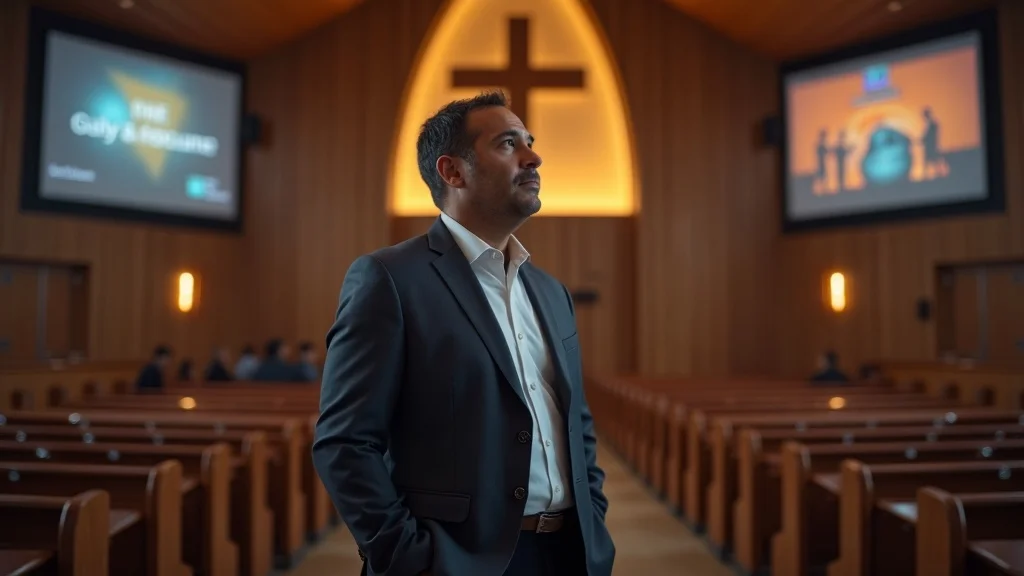
Thoughtful UK church leader reflecting on branding updates—signifying leadership in church branding strategy
  • Don’t treat branding as superficial ‘looking cool’: Every design choice should enhance ministry communication and steward church resources faithfully
  • Address resistance with vision: Link branding updates directly to increased engagement, outreach effectiveness, and mission fulfilment to overcome hesitancy
  • Stop inconsistent application: Avoid mismatched visuals that confuse newcomers and dilute your core message

Many UK churches initially encounter resistance from those who fear that modern branding signals a break from tradition or a drift towards marketing. Nichols’ perspective is that stewardship of church identity is fundamentally pastoral: “When we unify visuals, we make it easier for people to feel at home and become receptive to the gospel. ” By demonstrating how consistent, meaningful branding is in fact an extension of good pastoral care, church leaders can guide congregations through change with confidence.

The challenge isn’t tradition versus innovation—it’s harnessing both to foster a church identity that is recognisable, accessible, and deeply rooted in your theological convictions. Modernising design thus becomes a safeguard for tradition, projecting timeless truths in ways that speak to each new generation of seekers and believers.

Summary: Transforming Your Church’s Communication with a Cohesive Branding Strategy

Inspiring UK church worship experience—showing the outcome of a consistent church branding strategy with hybrid worship and branded visuals
  1. Church branding strategy is a vital communication tool, not just graphic design.
  2. Consistency and clarity in branding deepen trust and make your church’s gospel message accessible.
  3. A digital-first, unified visual identity bridges online and in-person ministry, enhancing engagement.
  4. Practical application of brand across all channels supports growth and visitor retention.

Dan Nichols’ insights highlight what forward-thinking UK church leaders are discovering: investing in a church branding strategy is investing directly in outreach, visitor experience, and congregational growth. When branding is seen as mission support—bridging tradition and innovation—churches position themselves to welcome, disciple, and inspire, both now and for generations to come.

Ready to deepen your congregation’s engagement through expert church branding?

Don’t let outdated visuals or inconsistent messaging hinder your ministry. Now is the time to reflect your church’s heart with clarity, impact, and a welcoming invitation. Take the first step:

Launch Your Ministry with Impact — Book Your Branding Strategy Call: 07968 804 636

If you’re eager to explore more ways to strengthen your church’s identity and outreach, consider delving into the broader principles and creative approaches outlined in our main branding & logo design resource. This in-depth guide offers strategic insights and practical examples to help your ministry stand out and connect meaningfully with your community, whether you’re just starting out or looking to refresh your existing brand.

To further enhance your understanding of effective church branding strategies, consider exploring the following resources: “Church Branding: Ultimate Guide for Ministries” by Ministry Brands offers a comprehensive overview of church branding, detailing its importance in building trust, communicating mission, and welcoming newcomers. (ministrybrands. com) “Church Branding” by ArtSpeak Creative delves into creating a visual brand and messaging that clearly communicates your church’s heart, helping to overcome perceptions and invite people to new life in Jesus. (artspeakcreative. com) These resources provide valuable insights into developing a cohesive branding strategy that aligns with your church’s mission and values.

Smart Marketing Strategy

0 Views

0 Comments

Write A Comment

*
*
Please complete the captcha to submit your comment.
Related Posts All Posts
04.17.2026

Top Strategies to Develop a Cohesive Church Branding Strategy That Proclaims Christ

In today’s digital-first and hybrid ministry world, a church branding strategy is no longer a matter of aesthetics but a vital extension of your mission. Every first impression, on-screen or in-person, either welcomes seekers with clarity or clouds your gospel message with confusion. As UK church leaders and communicators look to reach new generations and foster belonging in a polarized, post-pandemic context, branding is not about marketing gloss—it's about opening doors to Christ. Guiding us through this transformation is Dan Nichols of CGD, a seasoned expert in church branding services UK. His perspective, shaped by years of working exclusively with Christian organisations, grounds his advice in both ministry stewardship and design excellence. Let’s unpack why a cohesive branding strategy is more than design—it's core to communicating Christ. Why Dan Nichols Asserts Church Branding Is Mission-Critical Communication, Not Mere Decoration “Church branding isn’t just about logos or signage. It’s about communicating the gospel clearly through consistent visuals that resonate both online and in-person.” — Dan Nichols, CGD Breaking the Misconception: Branding Goes Beyond Visual Decoration Many in faith leadership fall into the trap of equating church branding strategy with only surface-level elements—logos, colour schemes, and external signage. According to Dan Nichols, this mindset sells short what branding can and should accomplish for a church on mission. “Too often,” he explains, “branding is dismissed as an extra—something that just looks nice. But this misses its deeper role as a tool for clarity and credibility. ” The real value of professional church branding agency UK lies in forging a unified story—a visual narrative that encapsulates a church’s spiritual DNA. When every graphic, leaflet, and digital post is stitched together with clear purpose and visual harmony, it eliminates distraction and confusion. This, asserts Nichols, opens clear paths for newcomers, fosters ongoing inclusion, and ensures the gospel stands as the focal point. As Nichols emphasises, the shift to digital and hybrid worship elevates the importance of a cohesive identity. It's not just about aesthetic preference; it's about the credibility and accessibility of your church’s message in a world saturated with content fighting for attention. A robust and intentional branding system becomes, then, an active part of missional outreach, removing barriers for those seeking spiritual belonging. Many think church branding equals just a logo or signage Real value lies in a comprehensive visual narrative that supports mission Branding as a tool to meet people where they are, especially digitally How Strategic Branding Amplifies the Gospel in a Digital-First & Hybrid Ministry Era “In today’s digital age, compelling visual storytelling meets people where they are—online and in the congregation—to amplify the gospel message faithfully.” — Dan Nichols, CGD The shift to digital-first ministry after COVID-19 fundamentally changed how UK churches reach, engage, and disciple. Church websites, livestreams, and social media platforms have become primary points of spiritual contact—not just for regulars, but for first-time seekers exploring faith from their own homes. According to Dan Nichols, effective church branding strategy amplifies the gospel by unblocking friction, signposting community, and reinforcing repeated invitations to belong. For churches seeking to translate these principles into practical design, exploring the essentials of branding and logo design can provide a strong foundation for building a recognisable and trustworthy identity. The article on branding & logo design for churches offers actionable insights into creating visual elements that support your mission and resonate with your congregation. “The modern church’s visual presence must offer the same warmth and clarity online as it does through the church doors,” says Nichols. Stepping into a church’s digital space should feel like meeting the same caring, Christ-centred community as on a Sunday morning. With this in mind, professional church branding designer UK services create systems where colours, fonts, iconography, and messaging flow consistently, ensuring your mission remains recognisable and trustworthy, regardless of channel. This is not cosmetic; it’s foundational to clear gospel communication in an attention-fragmented age. Nichols’s wisdom reveals a powerful “aha” for UK ministry leaders: clear branding is a pastoral act—it removes confusion, invites relationship, and proclaims Christ without wordiness. When visuals, web layouts, and printed material all point unambiguously to your church’s identity and mission, you’re not merely informing; you’re shepherding people into deeper connection and faith exploration. In practice, this means continually asking how each digital and physical touchpoint—be it a website’s homepage or a baptism poster—serves the unchurched, the spiritually curious, and long-time congregants alike. Building Trust Through Consistency: The Core of an Effective Church Branding Strategy “The key goal of branding is building trust through consistent messaging and unified visual presentation across every channel—from websites and signage to social media and printed materials.” — Dan Nichols, CGD Designing a Usable Visual System That Supports Ministry Outreach For many UK churches, the real test isn’t just in creating a beautiful logo or catchy graphics; it’s in sustaining consistency when resources are thin and volunteers manage much of the practical day-to-day work. Dan Nichols insists that a truly effective church branding strategy is built on systems—bespoke kits of fonts, colour palettes, and templates that anyone in the team can leverage. As he shares, “If your church identity system is too complex for volunteers or too easy to lose track of across platforms, it fails at the point where ministry actually happens. ” Simplicity, accessibility, and unity are interwoven here. A professional church branding agency UK will equip you with easy-to-use tools and clear guidelines for every use-case, so your church’s proclamation doesn’t go off-message or appear confusing. Every slide, printed leaflet, or Facebook post should echo the same voice—one that says, “You belong here, and we proclaim Christ. ” This approach doesn't just streamline workflow; it furnishes your ministry with visual credibility and authority—key for reaching both new adults and digitally-native youth. Developing logo, fonts, colour palettes, and templates that volunteers easily use Ensuring visual consistency across digital and physical touchpoints Reducing confusion and enhancing credibility through unified style Websites & Visit Pages: Converting Digital Engagement Into In-Person Connection In the hybrid era, a church’s website isn't an afterthought—it’s the new digital front door. Dan Nichols maintains that church branding strategy must prioritise modern, user-friendly platforms with intuitive navigation and strong local search visibility. “First contact for most guests now happens online. If your website doesn’t echo the warmth and clarity of your community, you’re losing opportunities before they ever shake a hand on Sunday,” Nichols notes. He urges every church to invest in clear, branded “Plan Your Visit” pages, packed with practical details and a tone that feels genuinely welcoming. Visual branding here—the church logo, colour themes, photo style, and message—must align seamlessly with the main website, bulletins, and on-site signage. This removes anxiety for newcomers, builds trust, and gently bridges digital curiosity to real-world belonging. Modern, user-friendly websites with clear navigation and local search visibility Special ‘Plan Your Visit’ pages to guide newcomers with clarity and warmth Bridging online curiosity to real-world belonging Elevating Seasonal & Hybrid Ministry Campaigns With Cohesive Design According to Dan Nichols, one often overlooked element of a successful church branding strategy is the way churches approach seasonal campaigns and hybrid ministry moments. Calendar events like Christmas, Easter, Harvest, and Remembrance Sunday represent crucial opportunities for both outreach and community deepening. Nichols explains that “coordinated campaign suites—with thoughtfully branded digital and print assets—unlock far greater impact than piecemeal, ad-hoc graphics. ” He recommends branded livestream packages and recurring asset packs designed specifically for UK rhythms. These support hybrid worship beyond simply ‘streaming’ or ‘posting’—they create continuity between the online and in-person experience, so every platform feels like the same caring church. When you invest in up-to-date, professionally crafted designs, you also empower your staff and volunteers to focus on ministry rather than scrambling for last-minute visuals, reducing burnout while maintaining high standards and relevance. Coordinated creatives for UK church calendar events like Christmas, Easter, Harvest Branded livestream packages ensuring seamless hybrid worship experiences Subscription packs reducing workload while maintaining fresh, relevant designs Practical Steps for Church Leaders to Embark on a Cohesive Branding Strategy For many church leaders, the journey toward a strong, consistent church branding strategy can feel daunting. Dan Nichols offers a roadmap rooted in practical action and professional collaboration. According to Nichols, every church should first conduct a thorough visual audit: collect existing materials, note inconsistencies, and discover where outdated or clashing styles hinder message clarity. The next steps involve defining your core messaging, selecting a visual style that resonates with your congregation and broader community, and then engaging with a specialist agency like CGD to craft a tailored suite of branding assets. Nichols emphasises the importance of empowering volunteers through robust templates and clear guideline documents, not expecting design expertise from every team member but giving them the tools and confidence to maintain consistency. Regularly reviewing and updating these assets, especially in line with the church calendar or shifting digital trends, ensures your branding stays fresh and effective for both long-time members and first-time guests. Conduct a visual audit of all current church communication materials Define core messaging and select a unified visual style Engage professional agency like CGD for tailored branding development Train volunteers on consistent usage through templates and guideline documents Plan regular reviews aligned with church calendar and digital trends Summary: Why a Well-Executed Church Branding Strategy Transforms Ministry Impact Removes barriers for newcomers and fosters belonging Builds trust with consistent and credible visuals Empowers churches to proclaim Christ clearly in a hybrid, digital-first world Supports ministry efforts without distracting from the gospel core “Effective church branding is pastoral care expressed visually — it’s about stewarding your church’s mission with clarity, consistency, and relevance to the modern churchgoer.” — Dan Nichols, CGD Next Steps to Launch Your Ministry with Impact Consider tailored church branding services specialized for UK ministries Leverage professional design to enhance your outreach and community engagement Ensure your church’s first impression—online and offline—is unified and welcoming Developing and sustaining a transformative church branding strategy is no longer optional for churches who wish to both honour Christ and welcome new generations. As Dan Nichols reveals, consistent visuals and unified messaging are not about keeping up appearances—they are about stewardship, accessibility, and mission. By auditing your communication, investing in professional identity systems, and empowering your teams, you remove barriers and proclaim the gospel with clarity in every season. Today is the day to steward your church’s presence for greater impact—on Sundays, online, and in every moment of Kingdom ministry. Launch Your Ministry with Impact – Book Your Branding Strategy Call 07968 804 636 If you’re eager to deepen your understanding of church branding and how it fits into a wider communications strategy, consider exploring additional resources that address both the creative and strategic aspects of church identity. Delving into topics like logo development, storytelling, and visual consistency can help your ministry move from theory to transformative action. For a comprehensive look at how branding and logo design can elevate your church’s presence, visit the branding & logo design guide for churches and discover next-level strategies to inspire your team and community. To further enhance your understanding of effective church branding strategies, consider exploring the following resources: “Church Branding: Ultimate Guide for Ministries”: This comprehensive guide delves into the significance of church branding, offering insights into creating a consistent and recognizable identity that reflects your church’s mission and values. (ministrybrands. com) “Three Branding Strategies for Your Church”: This article outlines three distinct branding strategies tailored for churches, providing practical approaches to unify your church’s identity and communication efforts. (visionroom. com) By engaging with these resources, you’ll gain valuable perspectives and actionable steps to develop a cohesive branding strategy that effectively proclaims Christ.

01.19.2026

Why Local Service Businesses Must Embrace AI Music Technology for Growth

Update The Revolution of AI in Music: A Business Imperative The landscape of the music industry is shifting significantly due to the integration of artificial intelligence (AI). Once seen as a tool for streamlining production, AI is now revolutionizing how music is created, marketed, and consumed. While a study shows 44% of U.S. listeners express discomfort with AI-generated songs, the reality paints a different picture. Artists like Xania Monet, who have utilized AI in their work, are achieving Billboard success, indicating that consumer behavior is more accepting than their sentiments suggest. Navigating Consumer Sentiment and Market Dynamics This dichotomy between consumer discomfort and engagement is crucial for small to medium service-based businesses. Just as Bad Bunny leveraged data analytics to rise in popularity, businesses in various sectors must harness these insights to remain relevant. Music listeners today engage with personalized streaming experiences, and similar data-driven marketing can help service businesses tailor their offerings based on consumer preferences. Empowering Creativity: AI as an Ally Platforms like Amper Music and AIVA demonstrate how AI democratizes music creation. Musicians, whether beginners or seasoned professionals, can utilize these tools to enhance their projects without losing the emotional depth that defines their artistry. For local service-based industries, embracing AI can foster innovation and creativity in service offerings, leveraging personalized experiences to address customer needs more effectively. Ethics and Authenticity in AI Music Creation As businesses explore the benefits of AI integration, they must also confront the ethical considerations surrounding copyright and artist ownership. The emergence of AI-generated music raises critical questions: How do we protect our creative rights in an increasingly automated world? Striking a balance between innovation and authenticity is essential for maintaining trust in the local community while adapting to new technologies. Conclusion: Embracing AI for Sustainable Growth The fusion of AI into music signifies more than just a technological trend; it has profound implications for how businesses operate and interact with consumers. By recognizing the potential of AI, service-based industries can enhance their offerings, ensuring they are proactive rather than reactive in this evolving marketplace. As we move forward, collaborating with AI can not only drive efficiency but also foster deeper connections between businesses and their customers. Now is the time for your business to explore AI tools to ensure sustained growth.

01.18.2026

Critical Insights from LA Wildfires: Essential Disaster Prep for Businesses

Update Understanding the Lessons from the LA WildfiresThe devastating wildfires that ravaged Los Angeles a year ago will be remembered as not only a natural disaster but also as a wake-up call for businesses in service sectors. Journalist Jacob Soboroff's *Firestorm* draws attention to the complex nature of these disasters, aggravated by hurricane-force winds and prolonged dry conditions that left communities like Pacific Palisades unprepared. The need for robust emergency planning and a proactive approach to disaster management has never been clearer. Businesses must recognize the importance of not just surviving a crisis but thriving in its aftermath through diligent preparation.Be Proactive: Preparing Your Business for Future DisastersFor small and medium-sized service businesses, the insights garnered from recent events highlight a crucial takeaway: it is imperative to prepare for future disasters. The landscape of Los Angeles features a significant portion of small enterprises; hence, their resilience is essential to the economic fabric of the community. Business owners should take steps to evaluate their vulnerabilities, establish crisis communication plans, and develop detailed recovery strategies—ensuring the ability to maintain operations during and after emergencies.The Power of Community Collaboration in CrisisThe aftermath of the wildfires has illustrated the undeniable significance of community support. The Los Angeles Area Chamber of Commerce underscores that approximately 93% of local businesses are small, and collective recovery efforts rely on the strength of these enterprises. By fostering relationships within the community and collaborating with local organizations, businesses can significantly enhance their resilience. This includes sharing resources, participating in community drills, and offering assistance to one another during recovery.Adapting Policies for Improved Disaster ResilienceLooking forward, adapting current policies to incorporate lessons learned from the LA wildfires is essential. Businesses are encouraged to engage in ongoing disaster response training and participate in community preparedness initiatives. By aligning building practices and urban policies with disaster resilience principles, we can create safer environments that adequately mitigate future risks. Proactive engagement ensures not only preparedness but also enhances the ability to recover swiftly when unforeseen disasters strike.Action Steps for Business OwnersAs we reflect on the anniversary of these fire tragedies, it is essential for small business owners to put these insights into action. This can be achieved through creating or updating disaster response plans, ensuring adequate insurance coverage, and taking part in community safety initiatives. These steps not only protect individual businesses but also fortify the local economy against future disruptions.

Terms of Service

Privacy Policy

Core Modal Title

Sorry, no results found

You Might Find These Articles Interesting

T
Please Check Your Email
We Will Be Following Up Shortly
*
*
*